
Buildings Don't Multiply. People Do.

Why building human capacity is the foundation of lasting transformation.

“Capacity building” has become one of the nonprofit world's favorite phrases.
It’s a label too often attached to almost any training, workshop or volunteer trip. We include it in grant proposals, annual reports, strategic plans, mission statements. But if you asked ten development professionals to define it, you would receive ten different answers.
So, if everyone uses the phrase differently, does it still mean anything at all?
At REI, we believe it does.
We believe in developing people who can develop their own thriving communities long after we’re gone.
It Starts with a Question
True capacity building really begins with a different assumption than many people expect. Instead of asking “What do people lack?” We begin by asking “What strengths already exist?”

When REI first entered Vietnam more than three decades ago, our team didn’t arrive with a checklist of resources and projects. We arrived with questions, and through translators, we listened.
We asked hospital leaders, “What do you need?” And that question surprised many of the people we met, because they were accustomed to visitors arriving with predetermined solutions.
Instead, REI began with relationships that grew into long-lasting partnerships.
The Approach that Blazed a Trail
For more than 35 years REI has pursued this approach. Long before “capacity building” became a common phrase in international development, it was the way REI envisioned making the kind of difference that could last in emerging countries.
Our motivation has never been to dismantle something but rather to build someone. We don’t come in to break down systems but to come alongside the leaders who run them. We have always looked at our work through the local lens of their experience and expertise, because our goal is not to be indispensable, but to develop leaders who don’t need us.
Because building human capacity begins with respect.
It assumes that every person, regardless of where they live, has inherent dignity, insight and the ability to contribute to their community's future. And this belief changes how we listen. It changes how we partner. And ultimately, it changes the kind of impact we leave behind.
What Capacity Building Looks Like at REI
Building capacity at REI looks like building people, not buildings or bridges or schools.
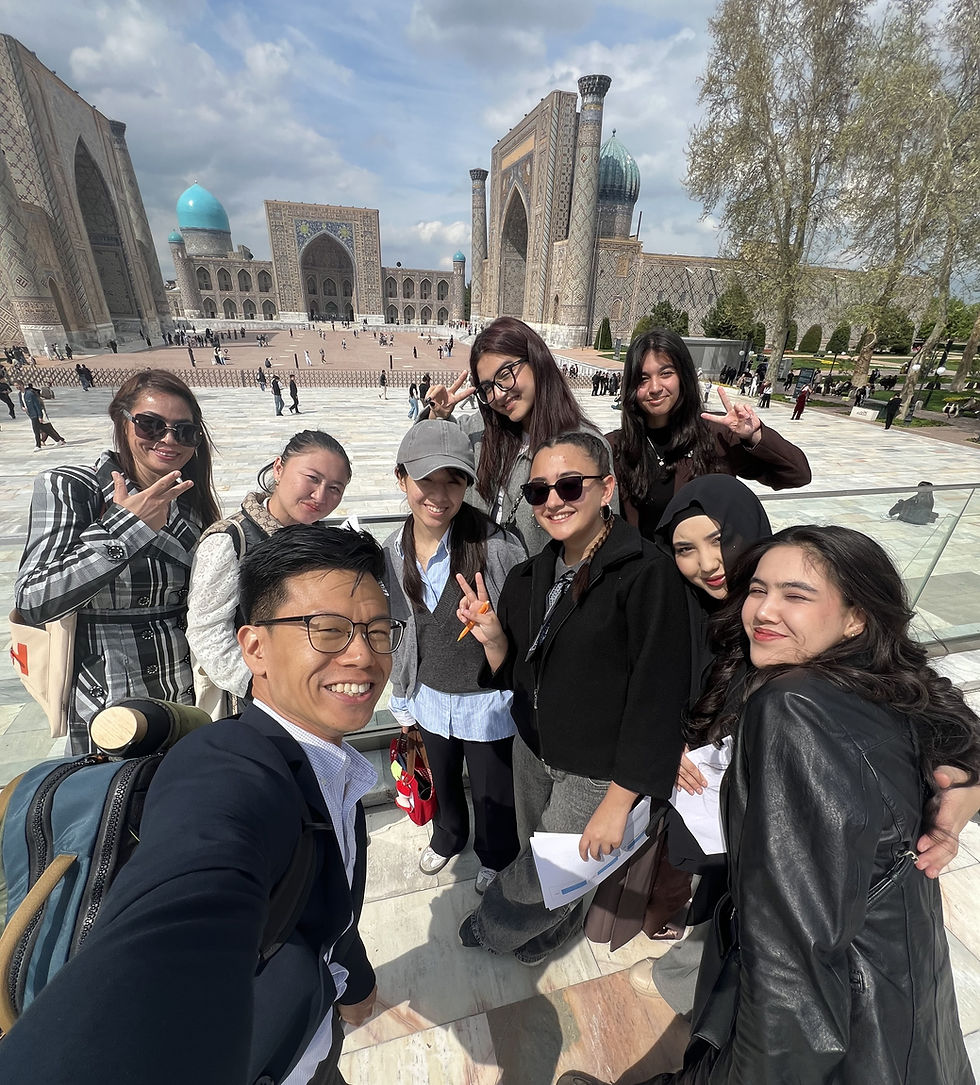
Where others teach English, REI equips teachers to train future teachers. Where some cross borders to do surgeries, REI brings surgeons to mentor those who now mentor others. Where some arrive with solutions and programs, REI trains local leaders to build their own programs and institutions.
Why It Takes Longer
People often criticize long-term development because results appear slower. And for stakeholders who are looking for a return on their investment that matters. Constructing a building may take a year, but we can see immediate progress. Building people takes years and we cannot often see the progress.
But buildings don’t multiply. People do. And that takes time.
It takes time for leaders to develop other leaders, teachers to train more teachers, and doctors to mentor other doctors. Building capacity begins with building people, and it continues to multiply for decades to come.
The Greatest Resource
Building human capacity has always been at the core of who REI is, not only motivating why we do our work but also defining how we do it. For us, it’s about strengthening people and institutions so they can shape their own future, and this means that at its heart, building human capacity is ultimately an act of hope.
That’s why it really is more than an international development strategy. It’s a belief that the future of every nation lies within its own people.


Comments